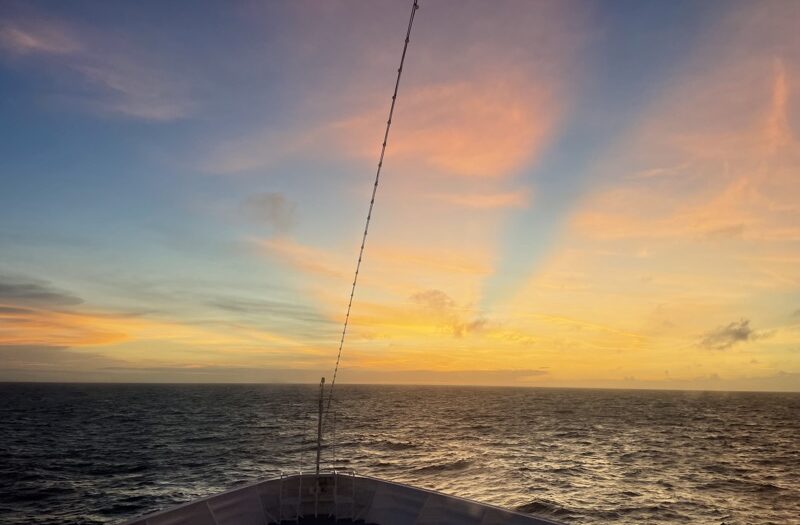
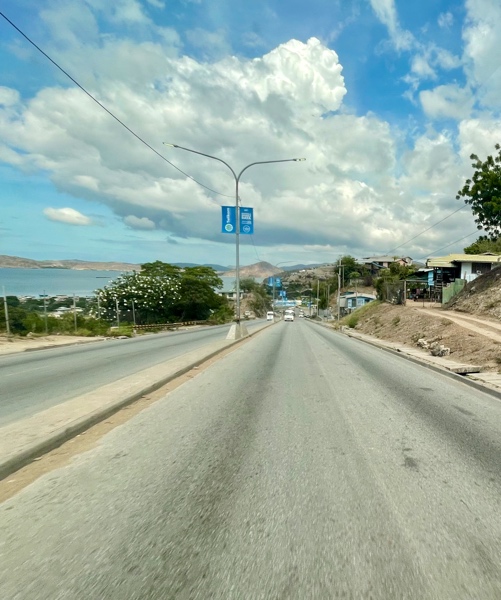
We had no expectations for Papua New Guinea. The mini-bus we travelled in was driven rather quickly to our coastal village destination, accompanied by a security escort. In hindsight, knowing that within the previous 12 months, PNG had experienced serious rioting across the country on 10 January 2024, which began in the capital, Port Moresby.
The unrest began following protests by security officers due to a sudden 50% reduction in their salaries, which Prime Minister James Marape attributed to a computer error. The riots involved arson, looting, and various forms of civil unrest. An estimated 22 people were killed. Papua New Guinea subsequently declared a state of emergency for 14 days and suspended the country’s police chief along with several top officials.



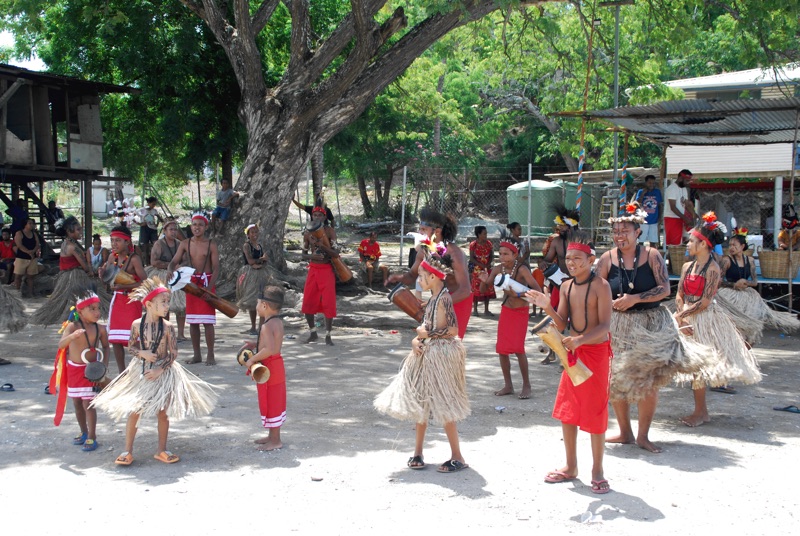
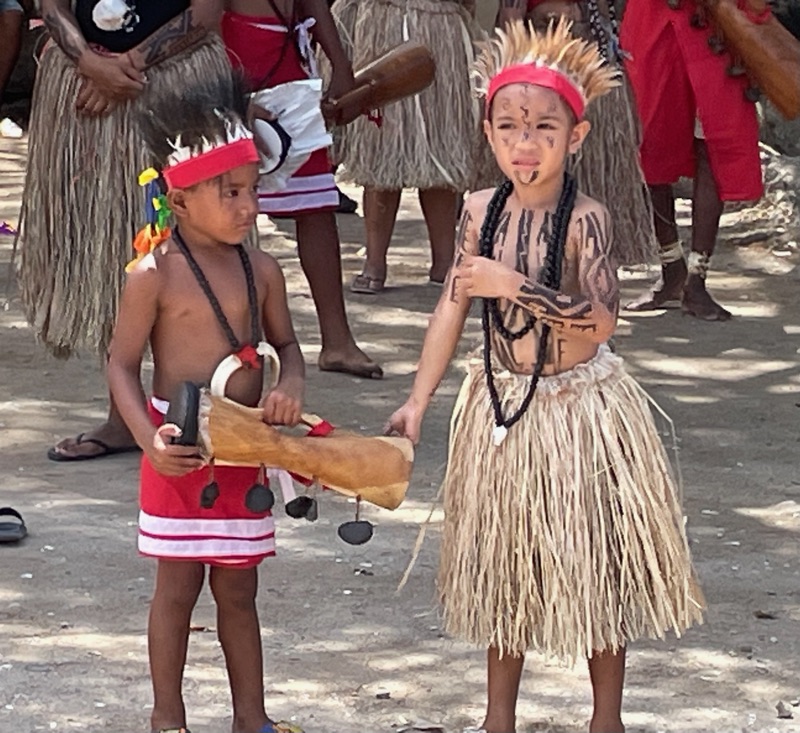
Welcoming Dance
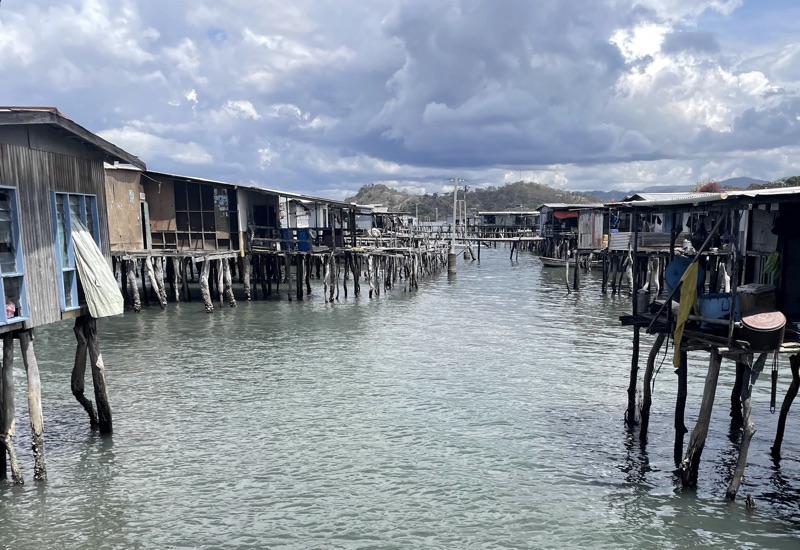
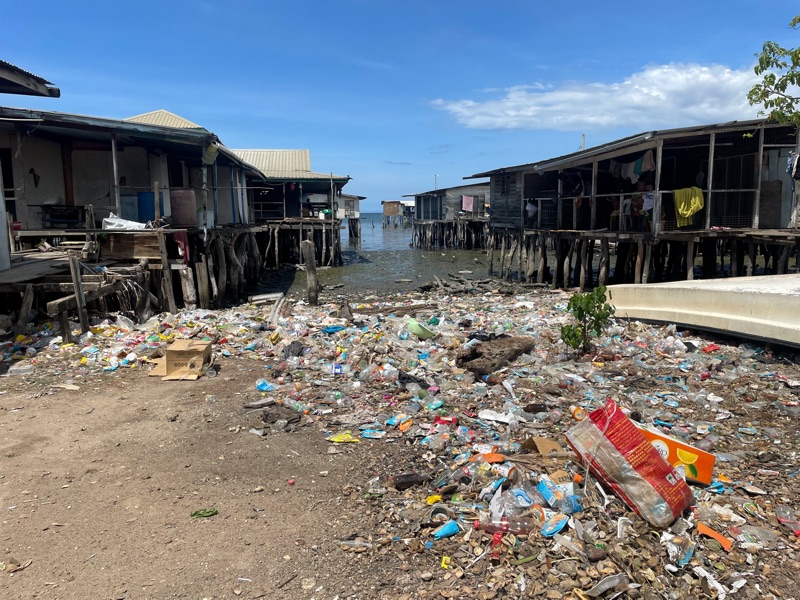
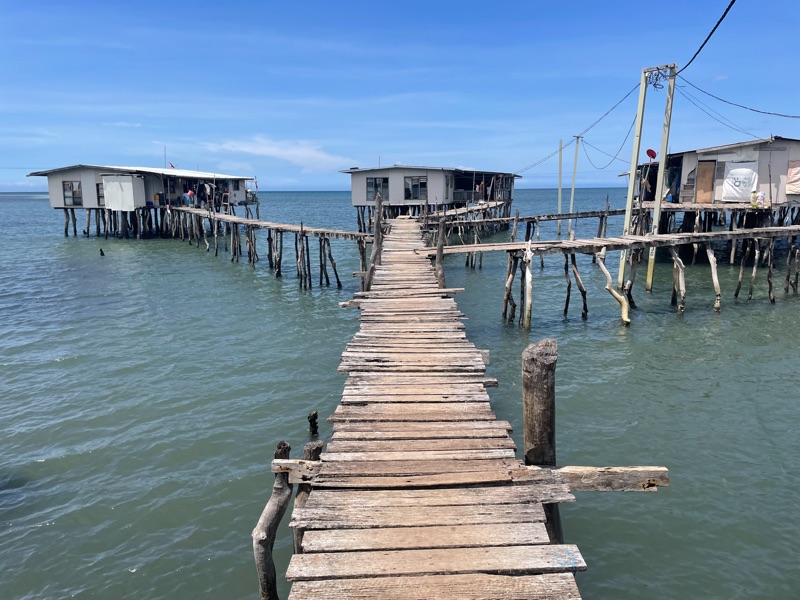
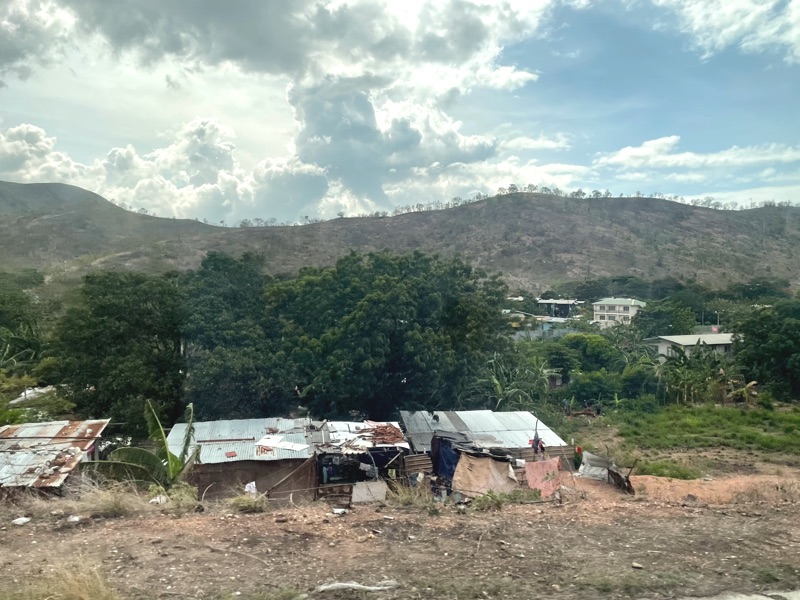
Some members of the group were invited into the homes and reported being impressed by the comfort within. This rickety boardwalk led to the three furthest homes on the edge of the village, with inside, of course, the television in the lounge.
Papua New Guinea is also well known for its frequent seismic activity, as it lies on the Ring of Fire. On 17 July 1998, a magnitude 7.0 earthquake struck north of Aitape, triggering a tsunami that reached 50 feet in height and resulted in the tragic loss of over 2,180 lives, marking it as one of the worst natural disasters in the country.
On 24 May 2024, a landslide struck the village of Kaokalam in Enga Province, approximately 600 kilometres northwest of the capital, Port Moresby, at around 3 am local time. More than 2,000 people were killed, causing significant destruction to buildings and food gardens and severely impacting the country’s economic lifeline. With over 2,000 reported dead by the Papua New Guinea government, this disaster has become the deadliest landslide of the 21st century.