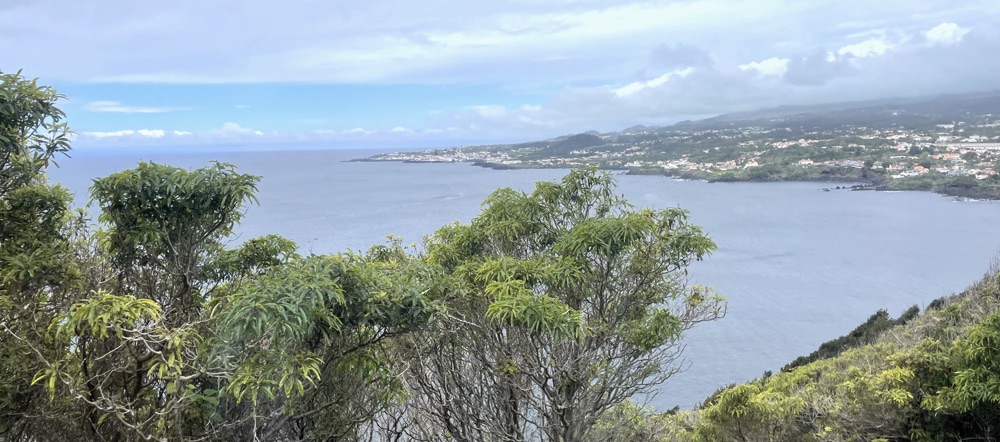
2026 – The Azores
Having enjoyed a previous cruise with Fred. Olsen aboard the smaller ship ‘Balmoral’, we thought it a good idea to take a boat from Liverpool.A late booking on Fred. Olsen’s flagship, the ‘Bolette’, was to visit (14-28 April) the Volcanic Vistas of the Azores & Madeira and then a very short visit to Lisbon on our return to Liverpool.
Very poor weather, an outbound F7 gale, and a sea-level cabin below decks left us with lots of engine noise, some seasickness, and no sleep on the first night. Immediately sought a better-placed cabin, which, after some searching by Guest Services, was found for us, along with a jacuzzi bath. Something we had no use for. It was, however, much better for our health, though.
We found the long sea days tiresome and, to be honest, the food was not to the same standard as we found on our previous Fred. Olsen cruise ship. The saving grace was that we shared a table with some very nice people we got on well with.
The volcanic mountains and lakes of the Azores Islands of Praia Da Vitoria and Ponta Delgada were surrounded by low cloud, which made for some hit-and-miss views from the tops of the volcanoes. The sea-level views were very pleasant, often dampened by the surrounding clouds.
Funchal, Madeira, did not fail to bring us sunshine, which, for our second visit, was wonderful. We caught up with visits to our previous hotel for lunch, the intriguing alleyway restaurants, the city market, and Blandy’s, the famous wine merchants. Not forgetting the obligatory cable car ride to Monte Church and the Wicker Sledges. The sledges are guided by two “carreiros” (sledge drivers) who use the thick soles of their boots as brakes, covering 2km of pure excitement and adrenaline between Monte and Livramento.
Lisbon, on the Portuguese mainland, was our first visit. Regrettably, we had only a 6-hour stay in this beautiful and interesting capital city. We will be visiting again later in the year, at the end of summer, so we will have more time to explore this wonderful city.
TERCEIRA ISLAND
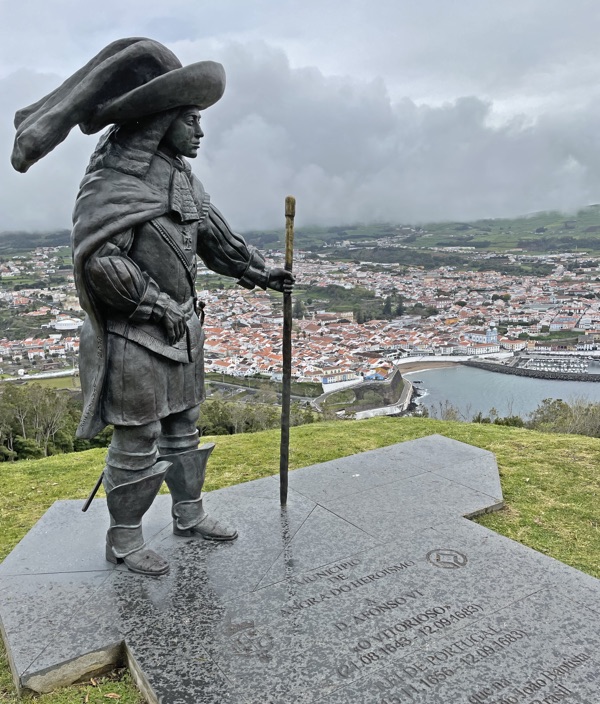

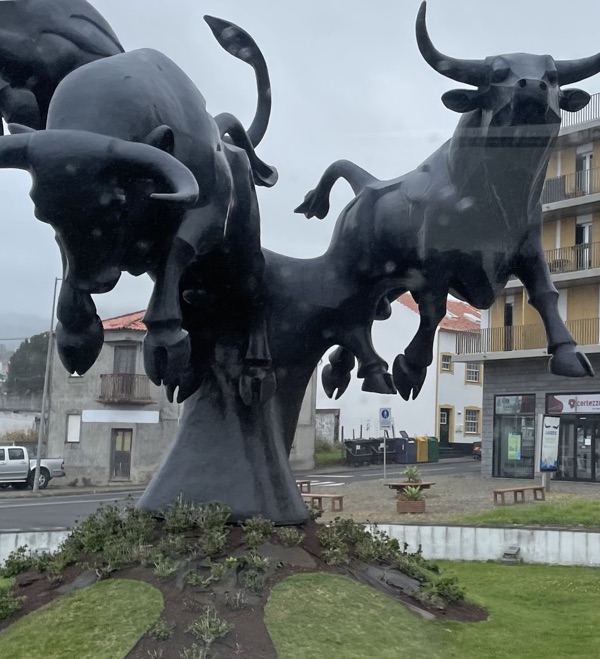
Statue of Afonso VI, the second king of Portugal (left), watches over the port of Praia da Vitória. The Bull Ring on the island (right). The Portuguese do not kill the bull in their bull fighting. Matadors, cavaleiros and eight forcados who, towards the end of the fight, catch the bull. They are known as the suicide squad.
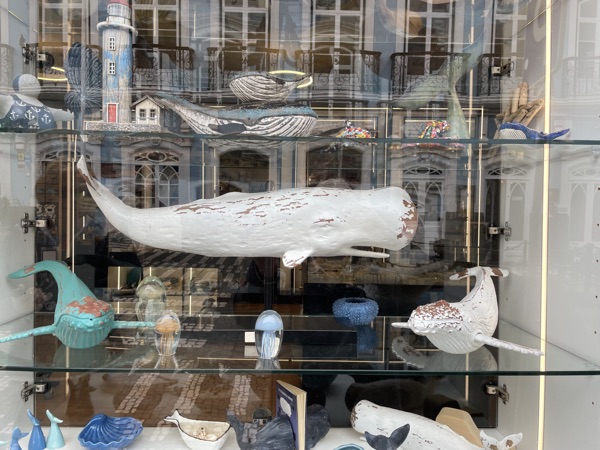
The picture to right (below) is of the window of a beatiful gift shop. It enticed me in to purchase a magnicient pair of book-ends in the art form of an Octopus.
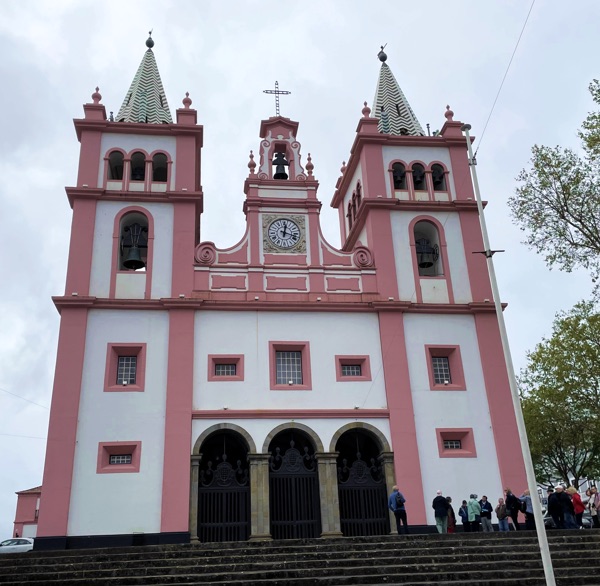
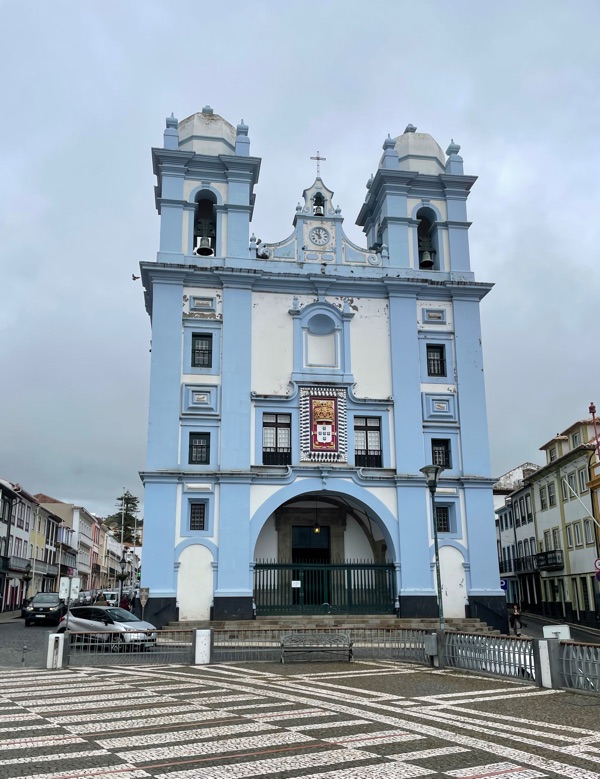
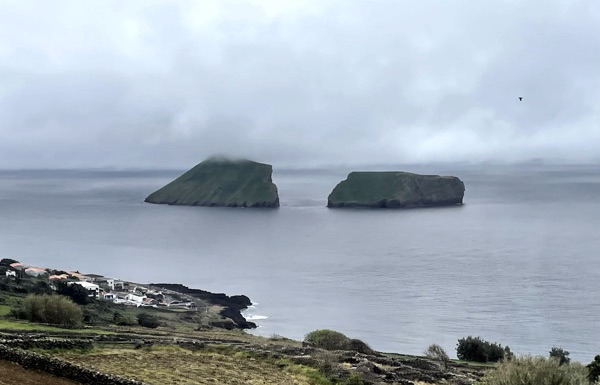
Located in the historical city centre of Sé de Angra (left), a UNESCO-designated site, is the largest and most important religious monument in the Azores. Misericórdia Church, famous for its white and celestial blue façade, formerly housed the first hospital in the Azores a UNESCO World Heritage Site. Finally (right) are the Cabras Islets (Goat Islands), remains of a submerged volcanic cone.
SÃO MIGEL ISLAND (Saint Michael)
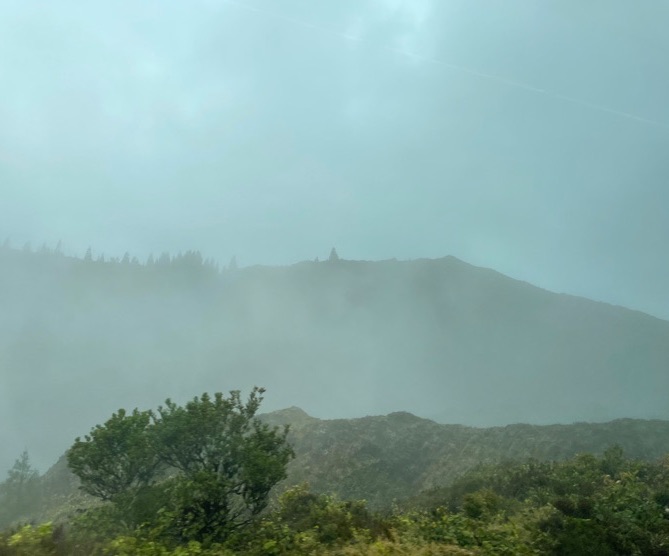
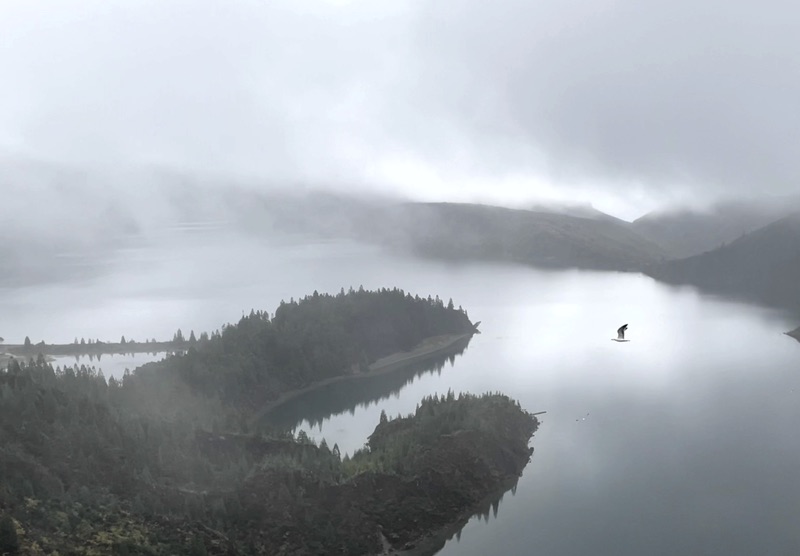
São Miguel, known as “The Green Island,” is the largest and most populous island in Portugal’s Azores archipelago. Featuring volcanic crater lakes and geothermal hot springs. We visited springs at Ribeira Grande, and then followed a rugged Atlantic coastline. Lush green it was in the interior. To see the view of ‘Lagoa do Forgo’ clearly was difficult through the enshrouded cloud base.
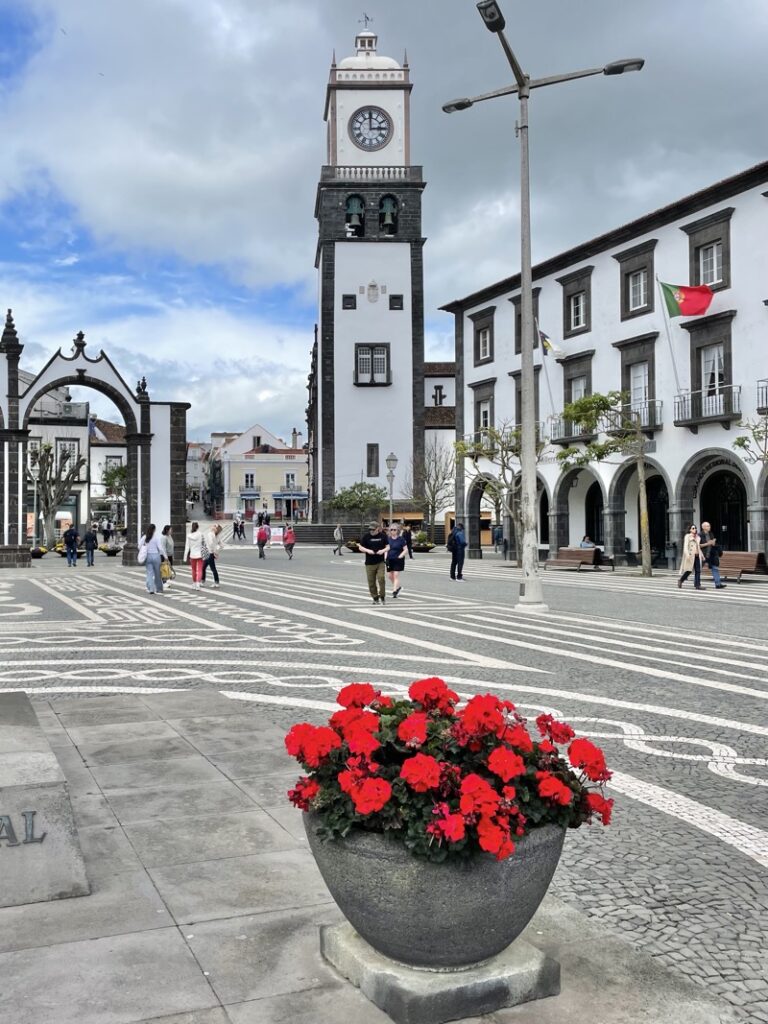
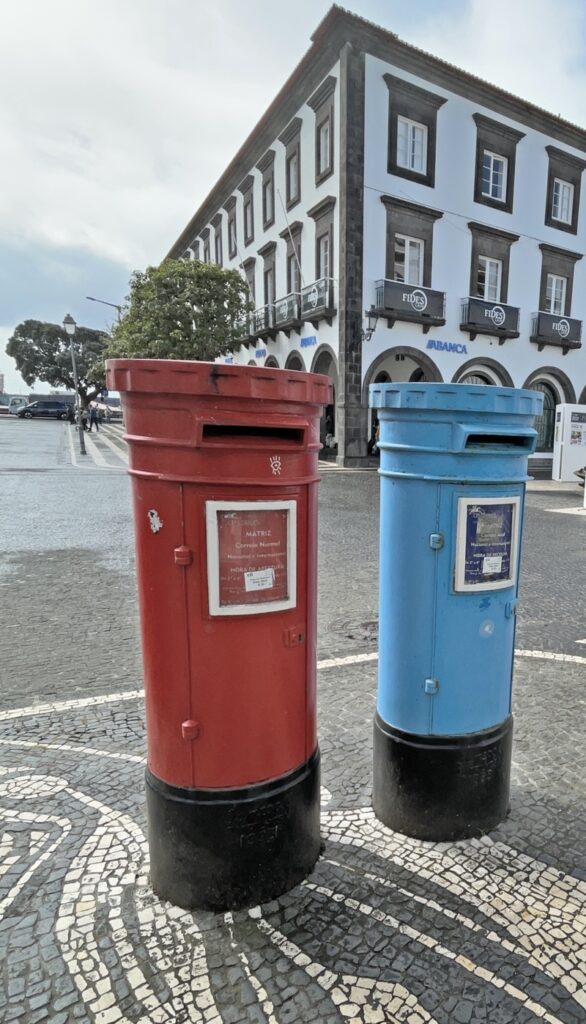

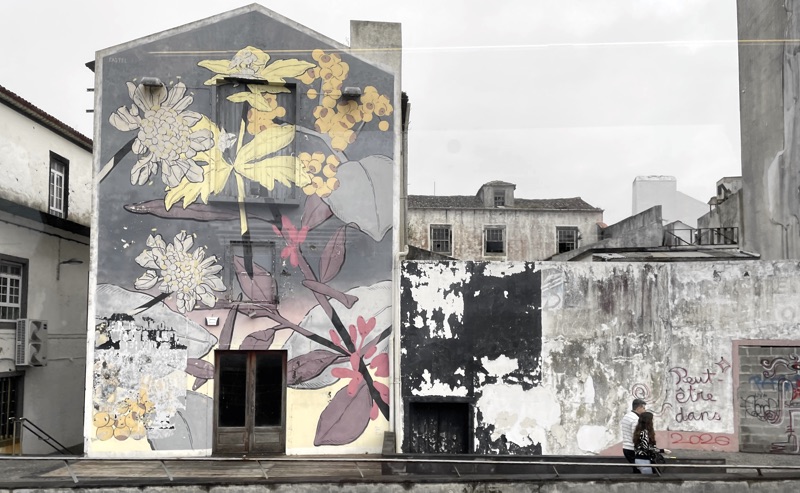
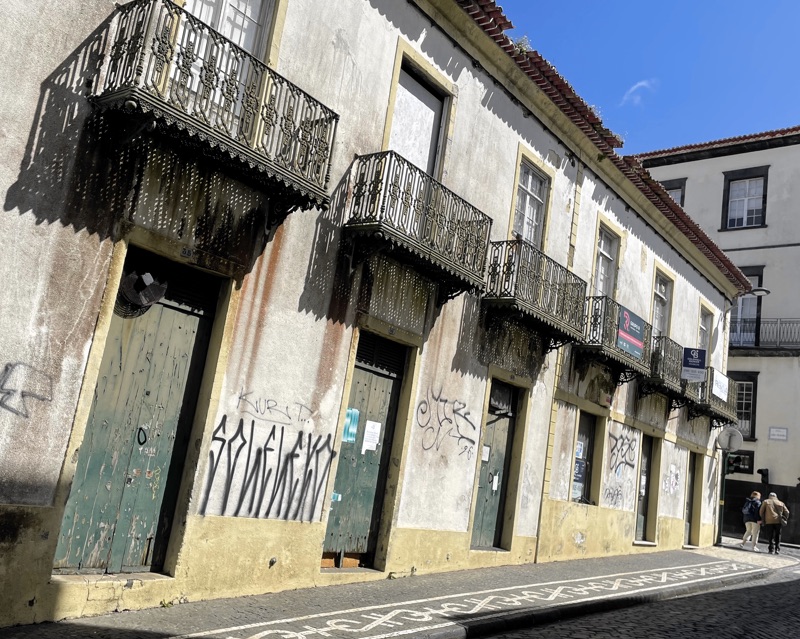
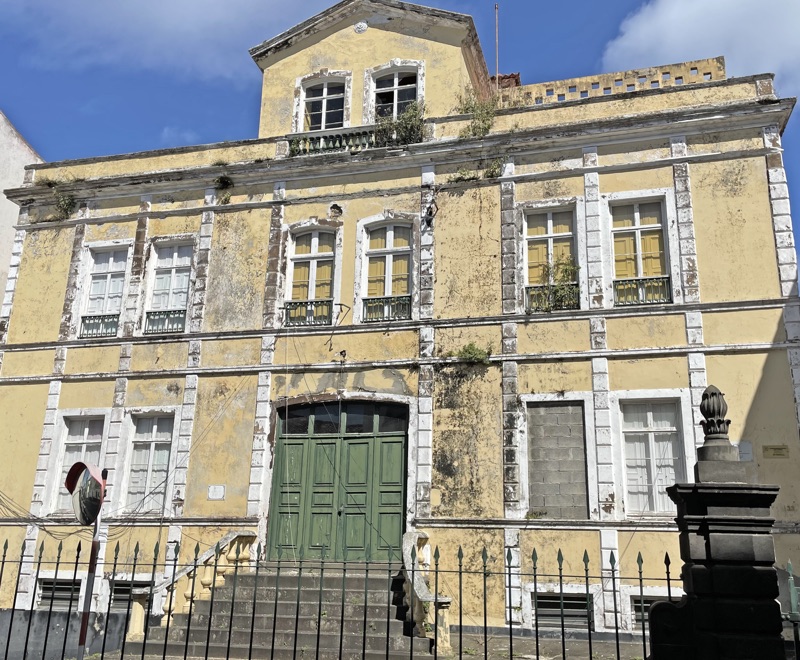
The edge of the old town did have some of the modern plague of graffiti, but also some very old and interesting buildings, albeit in need of renovation. Another small, interesting prison shares a feature with Alcatraz: cells with a sea view.


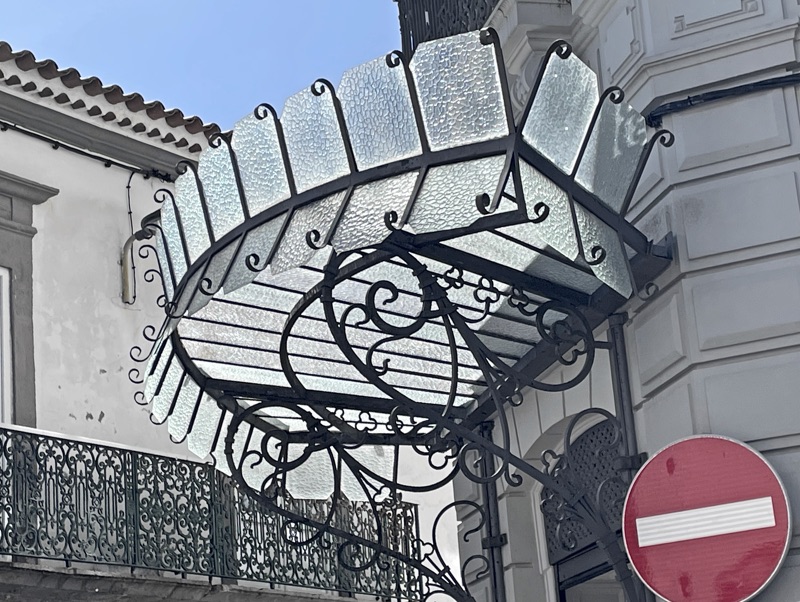
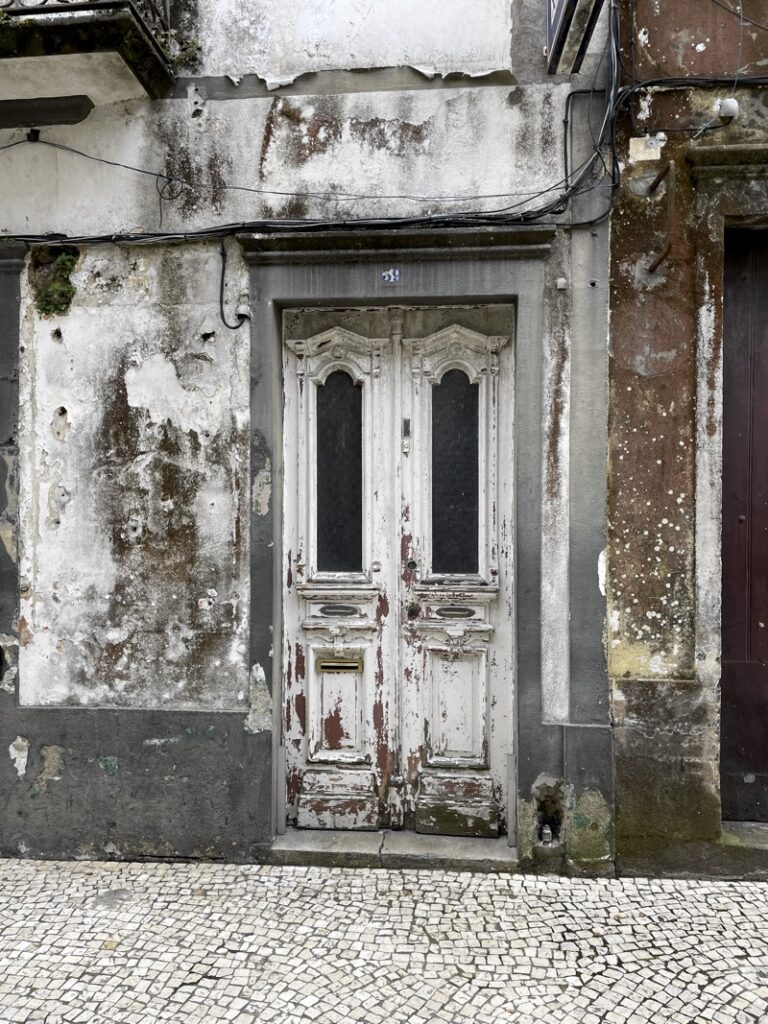
The old part of town was endearing in its own way. Some fine buildings needing a a renovation to bring this part of the town back to its former glory.
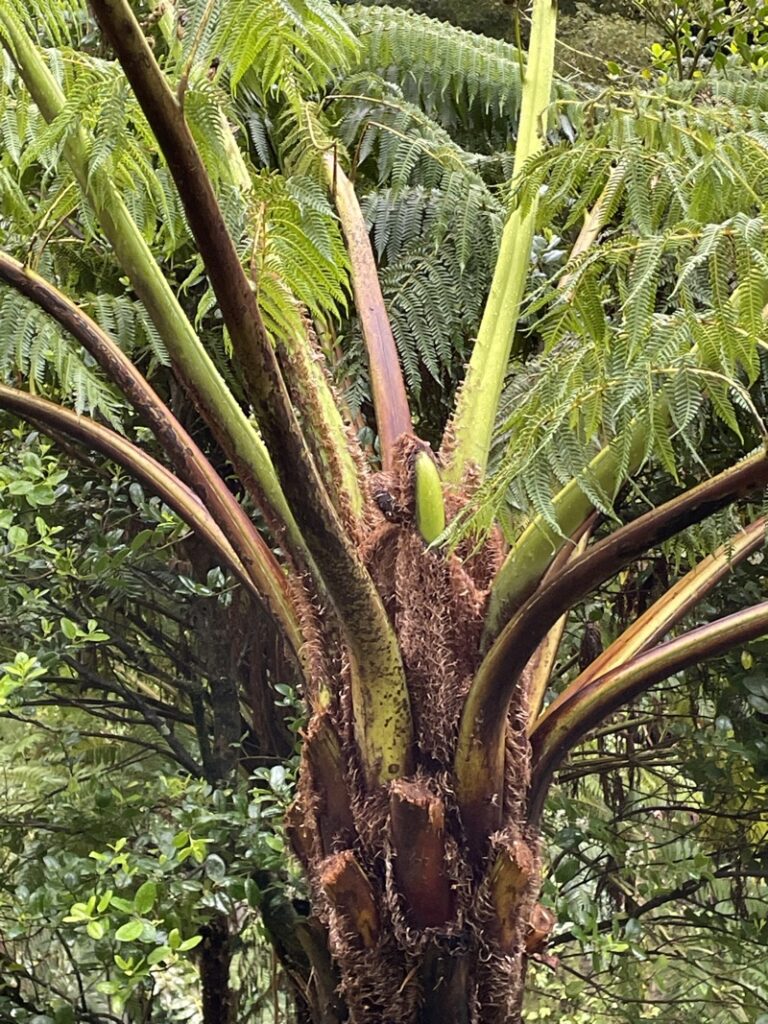
A visit to the volcanic crater lake of ‘Lagoa do Foga’, surrounded by clouds, followed by seeing the lush green tropical plants in the botanical gardens. Although the Azores do not have indigenous tropical rainforests, the plants have thrived, brought to the islands by early seafaring explorers.
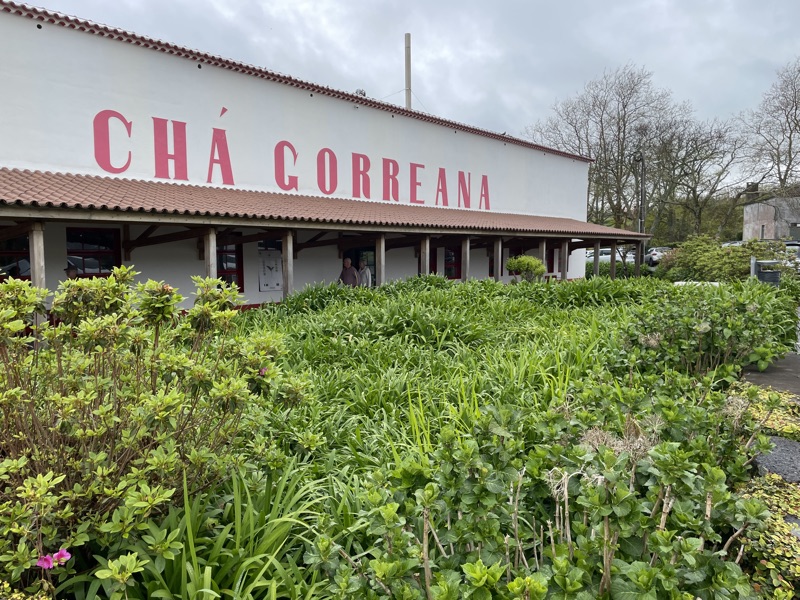
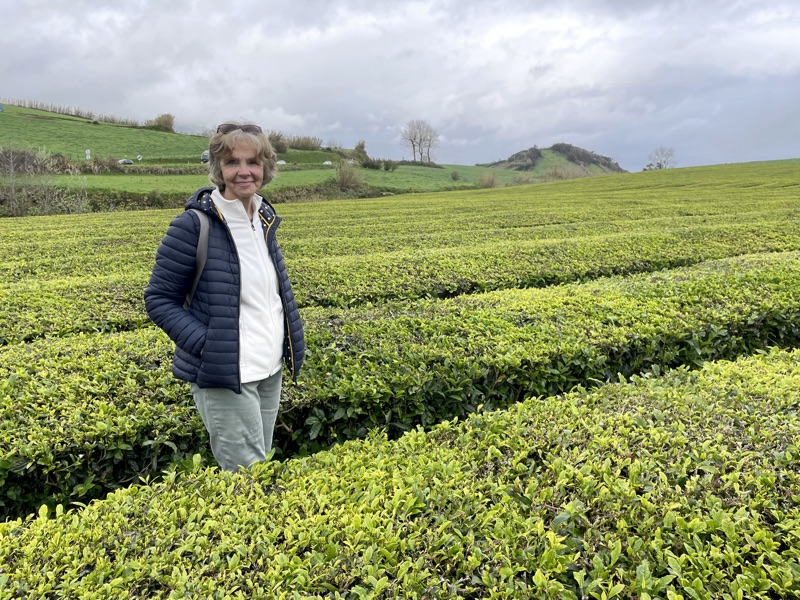
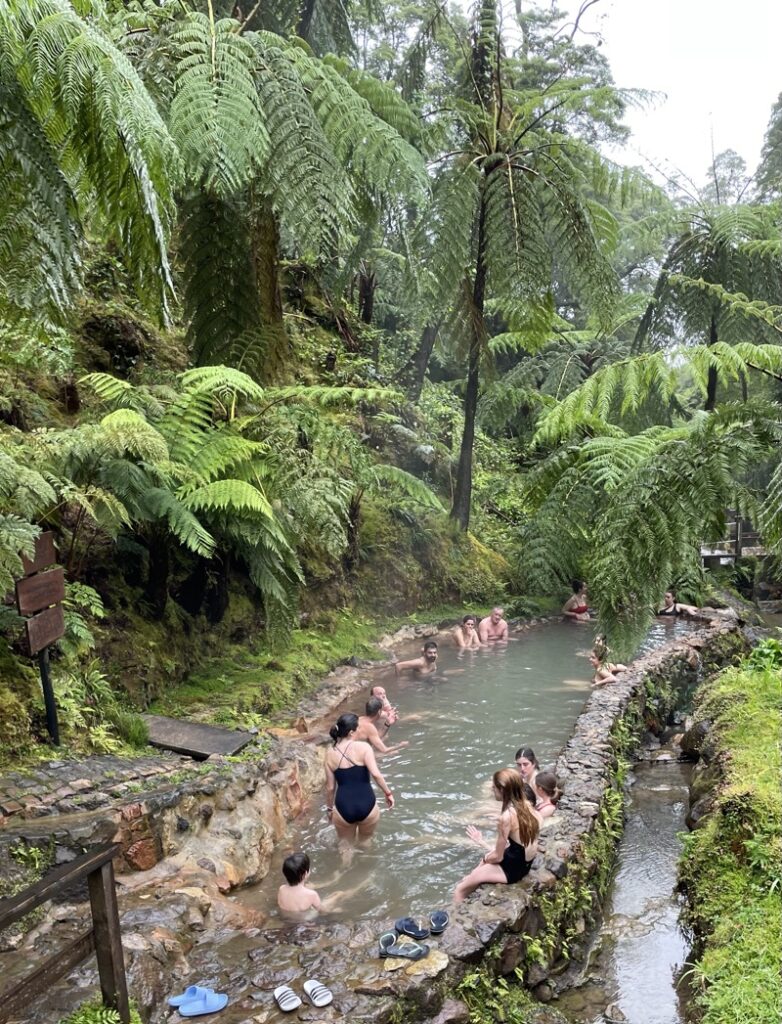
Out of town, we visited the only tea plantation in the whole of Europe, learned a little about making tea, and of course enjoyed a ‘cuppa’. Hotsprings abound, used by the local populace and visitors alike. No doubt this inherant heat from within the volcanic island has contributed to the success of the tropical fauna.


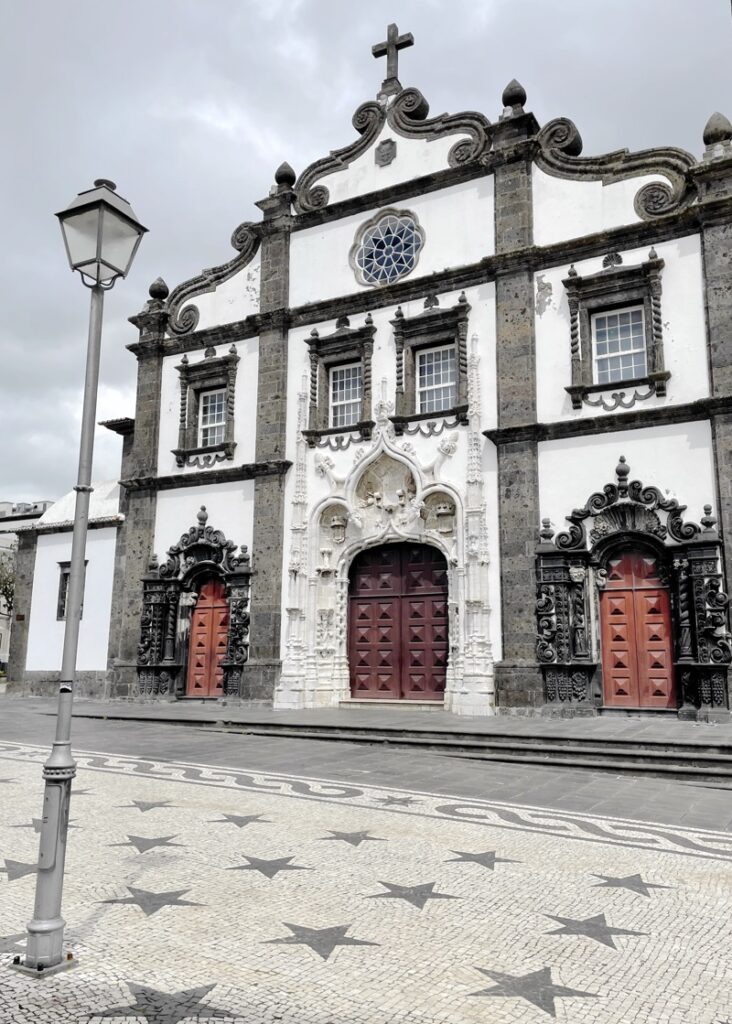
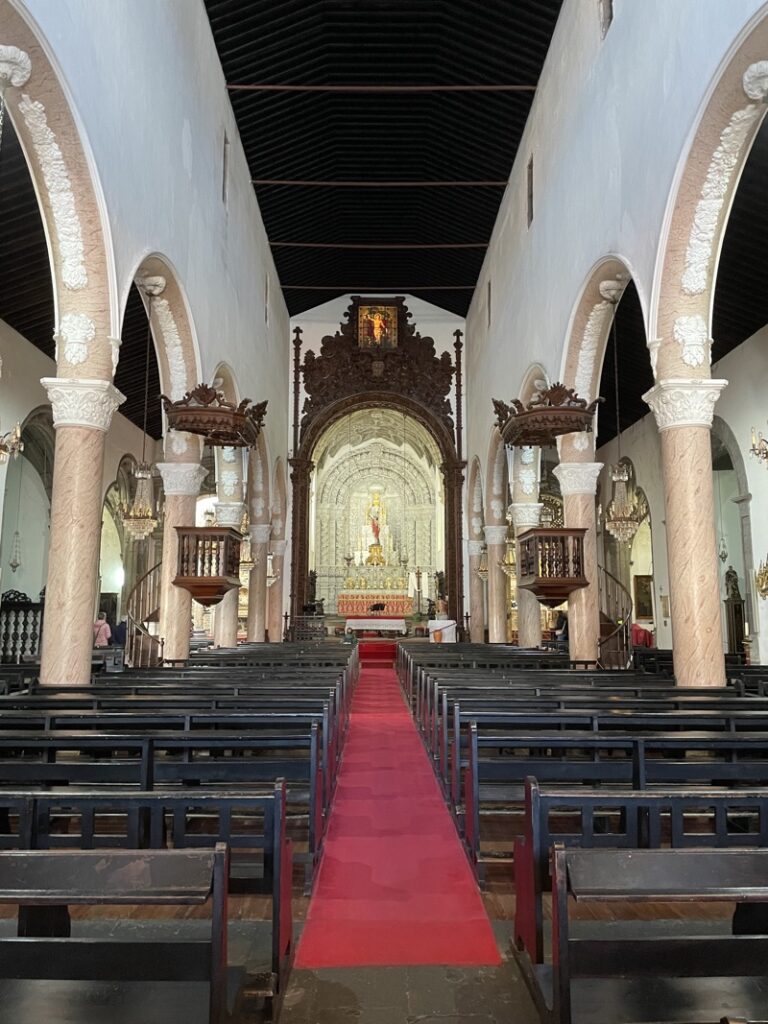
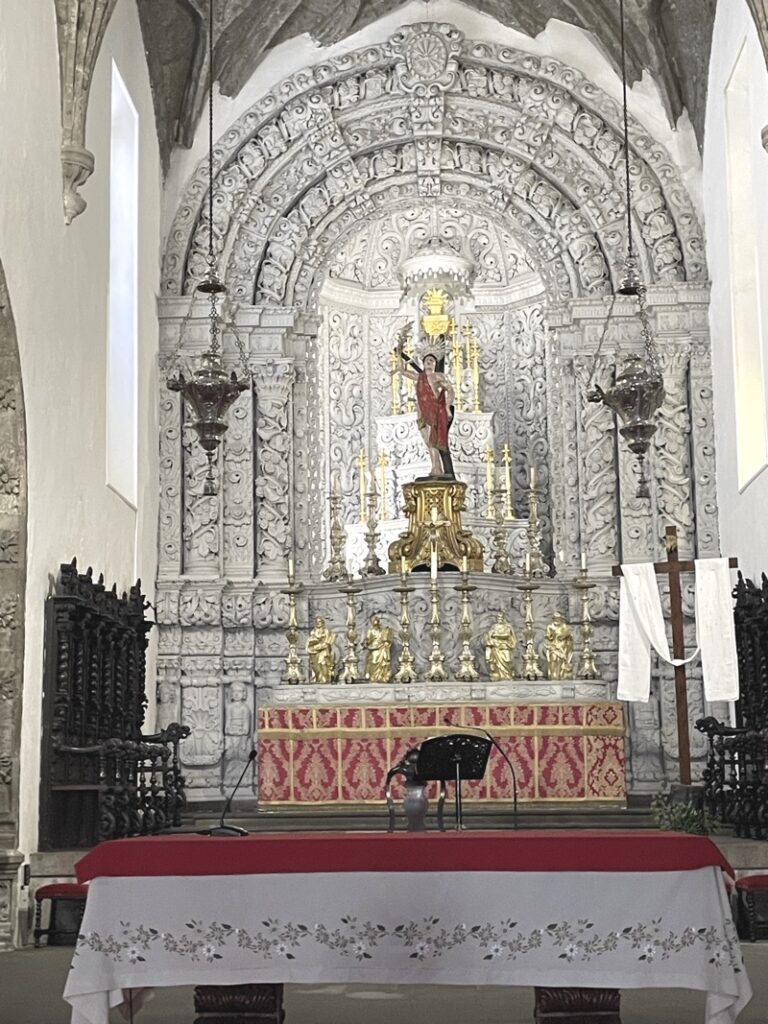
On our return to Ponta Delgada town, we visited the Parish Church (built 1531-1547) of “Igreja Matriz de São Sebastião”. The exterior includes notable Manueline and Baroque doorways. The interior has been enriched by sculpted works in local cedarwood and other rare woods such as ebony.
MADEIRA (Funchal)
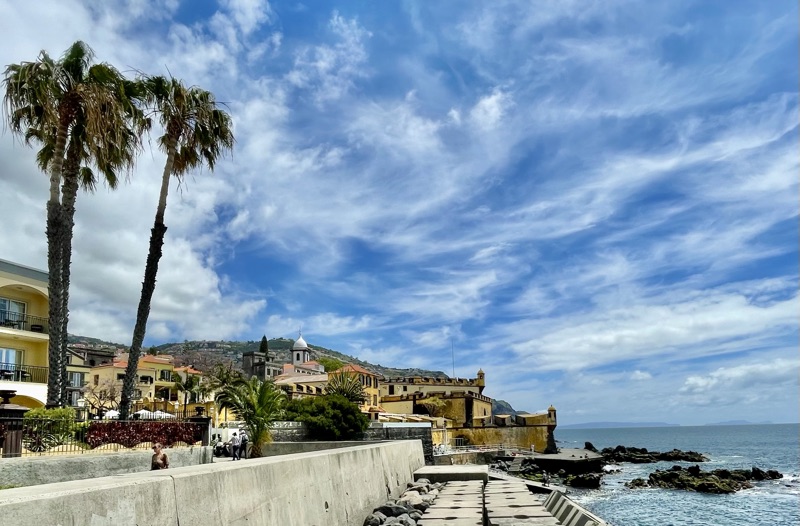
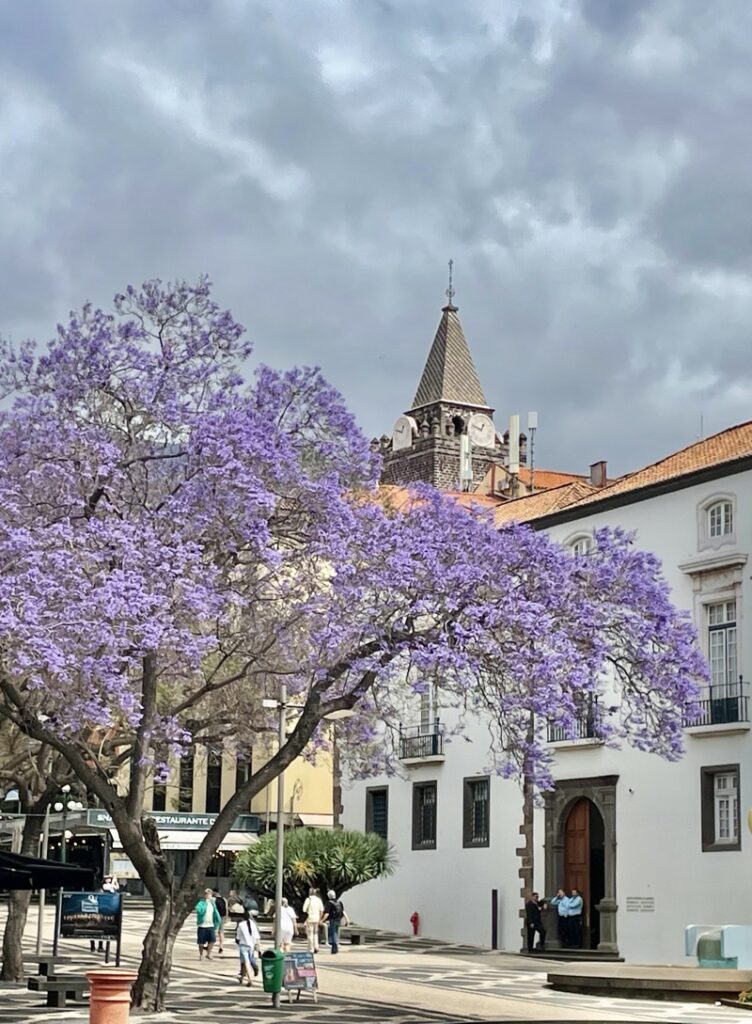
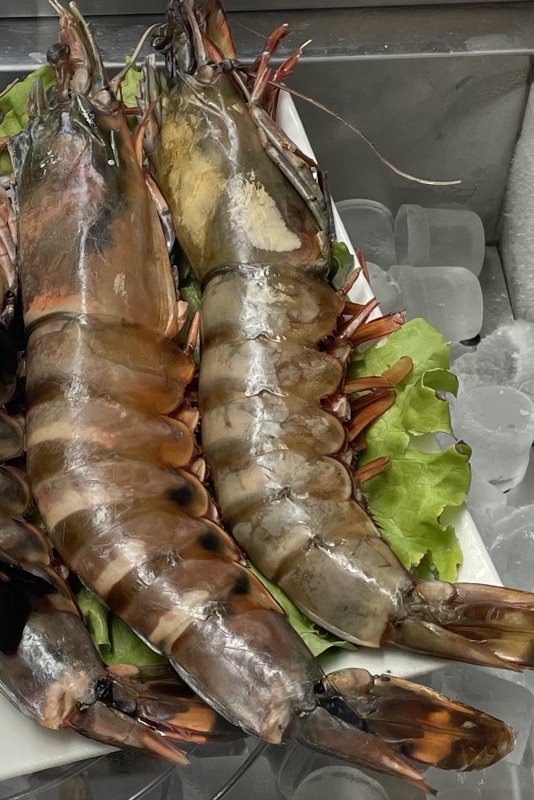
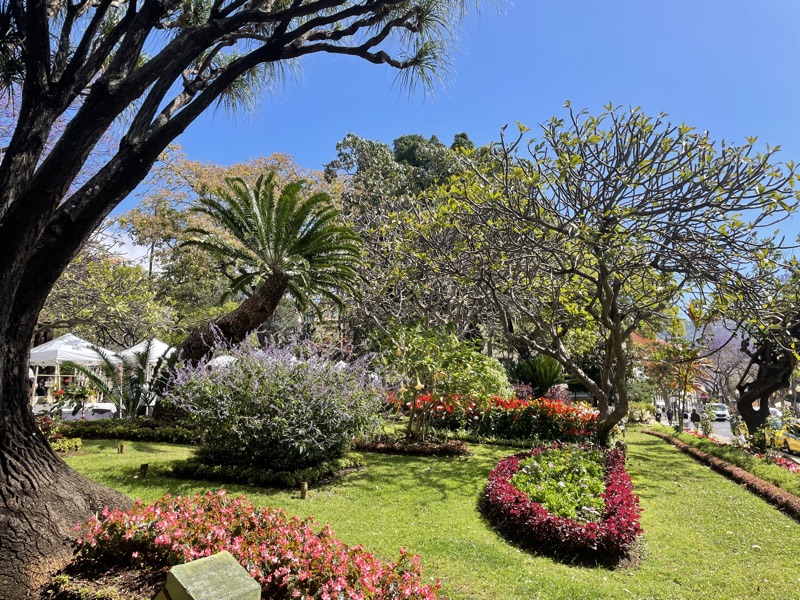
Funchal and welcoming sunshine greeted us as we sailed along the southern shore of the island. Passing Cabo Girão: One of Europe’s highest sea cliffs. The weather was much better than what we left behind in the Azores. A city we already knew from a previous holiday. It was good to be in familiar territory. A visit for lunch at the hotel we had stayed at once before. Then onto the narrow, winding, atmospheric restaurants at the rear of the hotel.
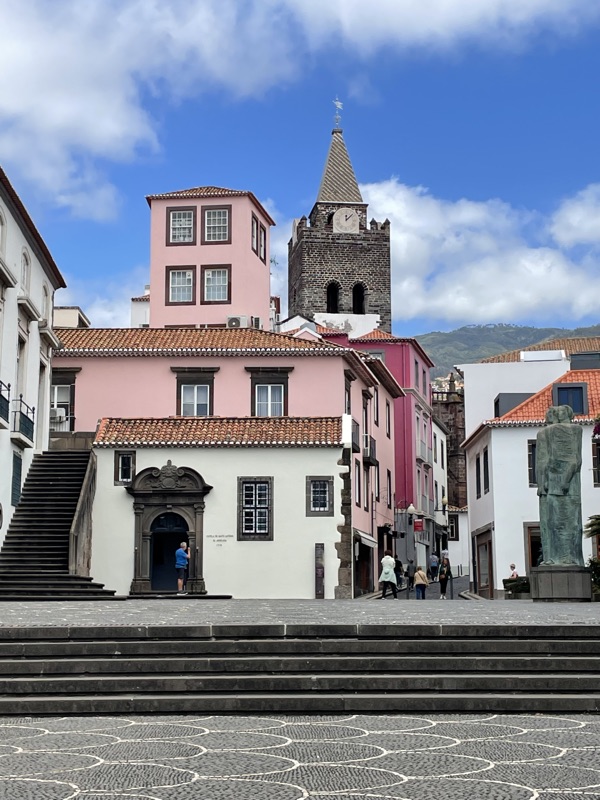
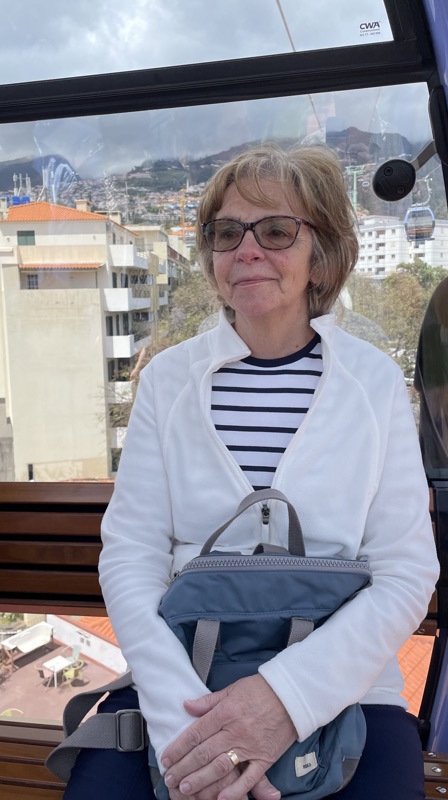
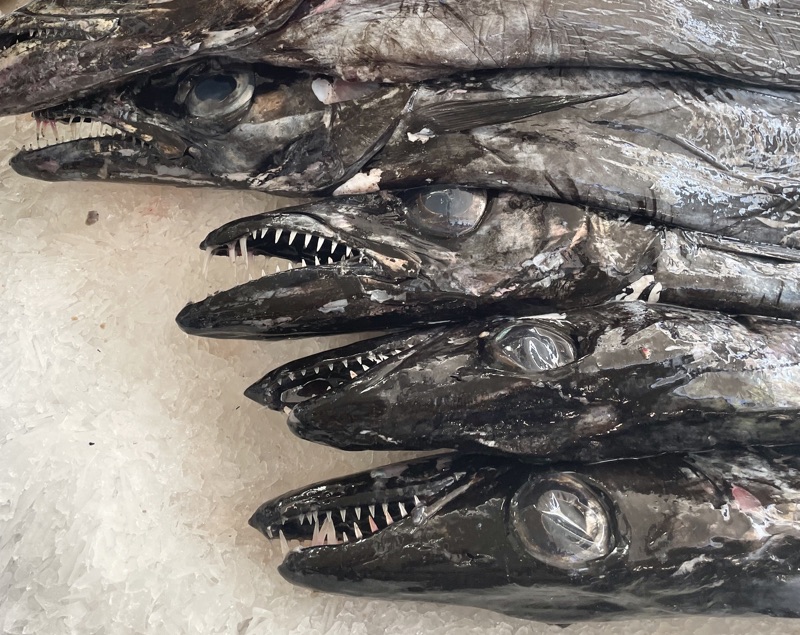
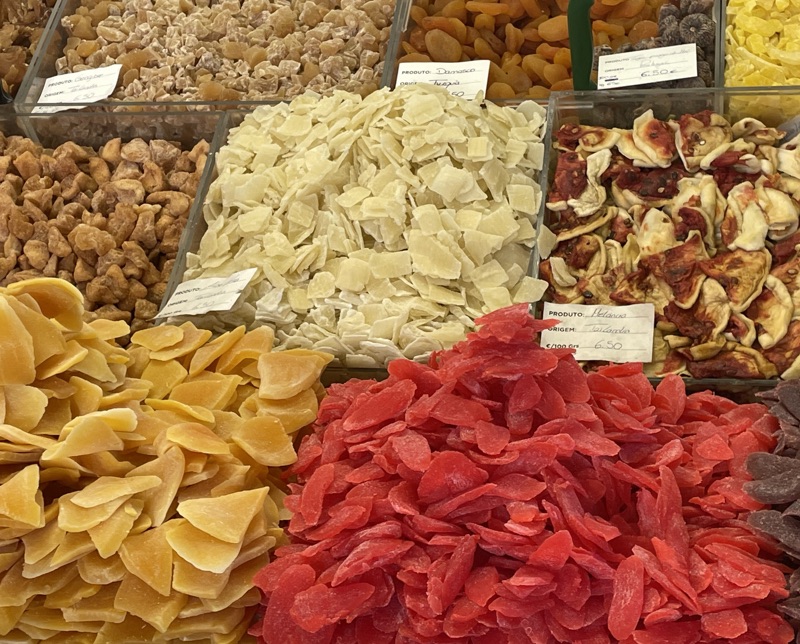
Our second day took us to the indoor market, if only to see the black scabbardfish, line-caught up to one mile deep just off the coast. Then a cable car trip to the village of Monte to see the church and the men, Carreiros do Monte, who use a traditional wicker toboggan ride down to Funchal. Today, they take passengers, rather than bananas. We did this interesting ride on our last visit, but seeing the queue was quite amazing. Guess it was because of two cruise ships being in port. The ride starts off below the 74 steps of the Monte Church, built in the 18th century.
Finally, a pleasant stroll through the city and a visit to Blandy’s, a famous producer of Madeira Wine, before rejoining the ship for our next destination, Lisbon.


LISBON
Quiet literary a flying visit (6 hrs) enroute back to Liverpool. A coach tour of this beautiful city gave us some of the highlights. Missed out on the famous Tram No 28 ride but hopefully we do this late summer during our next cruise stop.
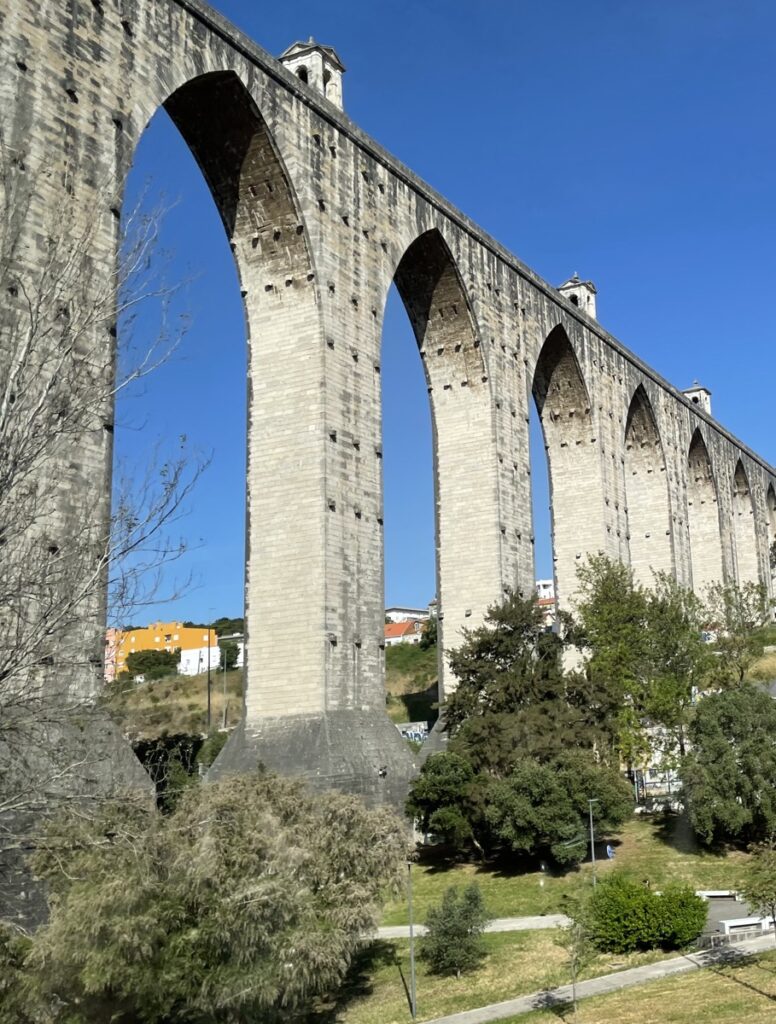
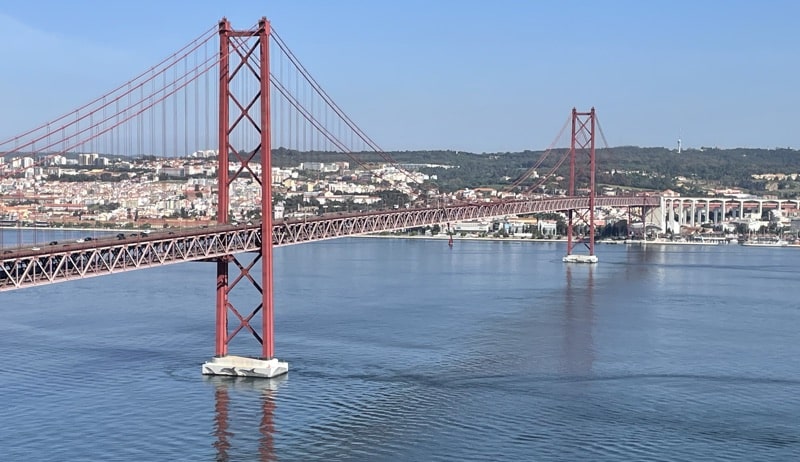
Lisbon boasts many iconic buildings and constructions. The 25 de Abril Bridge (25th of April), which spans 1,013 metres (3,323 ft) across the Tagus River, joins Portugal from Oporto to the Algarve by road and rail. The Águas Livres Aqueduct a historic aqueduct system. It is considered one of the most remarkable examples of 18th-century Portuguese engineering and one of Lisbon’s best-known landmarks.
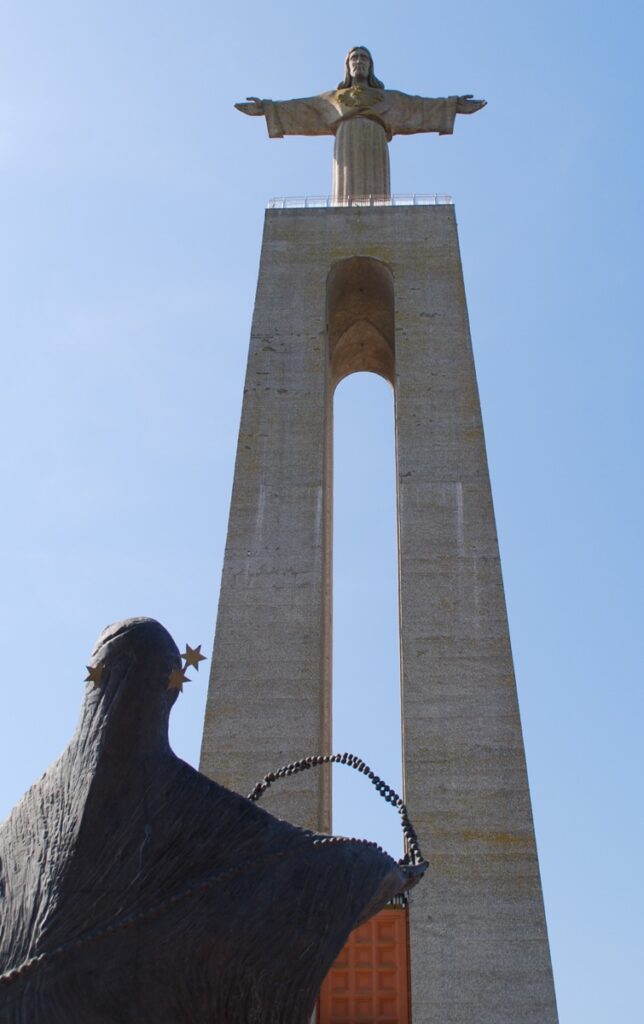
On the south side of the river, in the city of Almada, the National Shrine of Christ the King stands 85m tall, erected on an isolated clifftop 133m above sea level, making it a lofty 218m in total. Inspired by the Christ the Redeemer statue in Rio de Janeiro, Brazil, this location offers stunning views of Lisbon and the River Tagus.
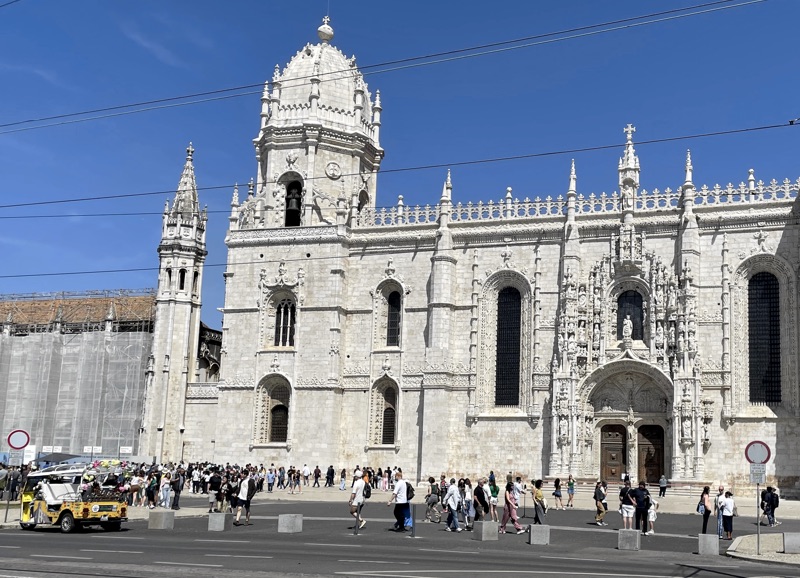
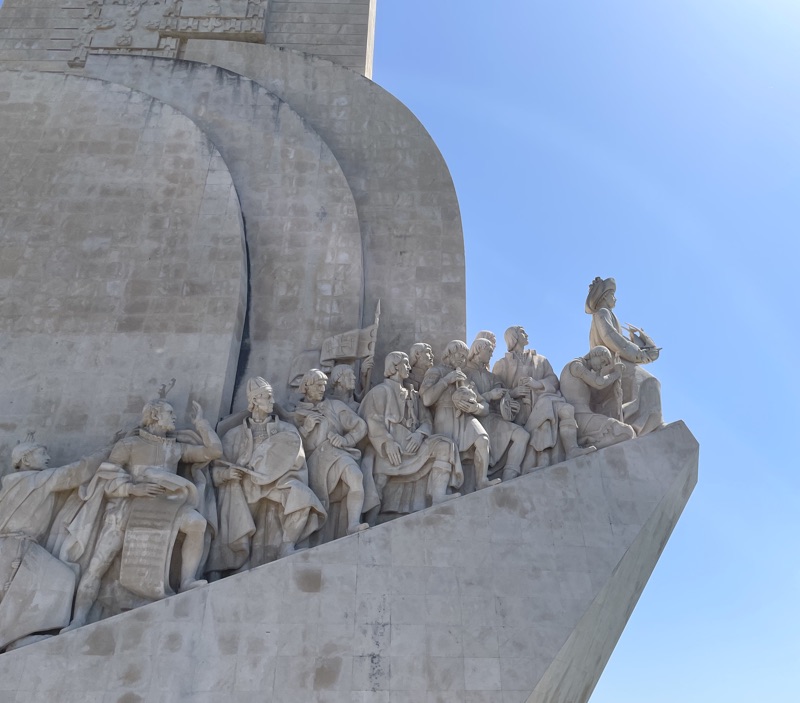
A halfway stop and we enjoyed a Pastéis de Belém (well, three to be precise) and a glass of fine port.
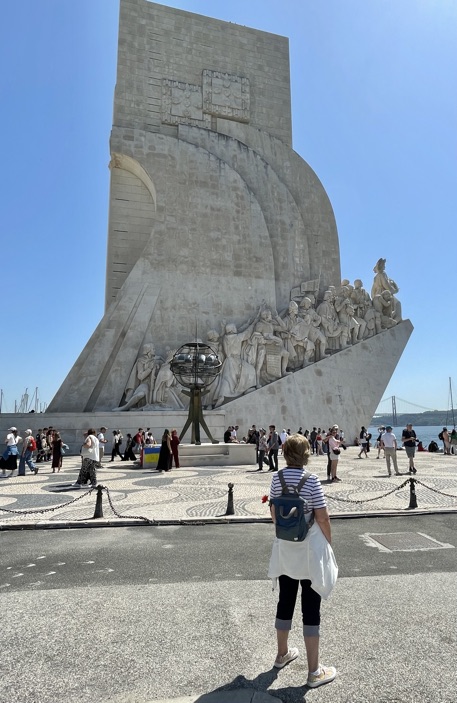
The Padrão dos Descobrimentos (Monument to the Discoveries). Its intricate sculptures bring Portugal’s Age of Exploration to life, featuring legendary figures like Prince Henry the Navigator and Vasco da Gama. This impressive monument is a tribute to the Portuguese heroes and sailors who helped introduce Europe to the rest of the world during the Age of Discovery.
The Royal Monastery of Santa Maria de Belém, commonly known as Jerónimos Monastery, was classified as a National Monument in 1907 and added to the UNESCO World Heritage List in 1983.